The Reunion of Broken Parts
The Reunion of Broken Parts comes from the Arabic translation of algebra (Al-Jabr), from the first writings on algebra by Persian mathematician Al-Khwarizrmi (c.780-c.850), a treatise entitled ‘Al-Jabar – the Compendious Book on Calculation by Completion and Balancing.’
Like another Persian mathematician, Naṣīr al-Dīn al-Ṭūsī (1201-1274), credited as the creator of trigonometry, these men were polymaths in the true sense: merging mathematics with philosophy, metaphysics, theology, astronomy, and the arts.
As an artist who has been working with celestial navigation for years, the recognition of the intersection of such subject matter as related and equal, and also necessary for an understanding of the universe as a whole, has been both inspiring and gratifying. Historian Roshdi Rashed refers to this as a ‘complexity that comprises in the end both the manner of things and the form of the bodies and the human soul.’
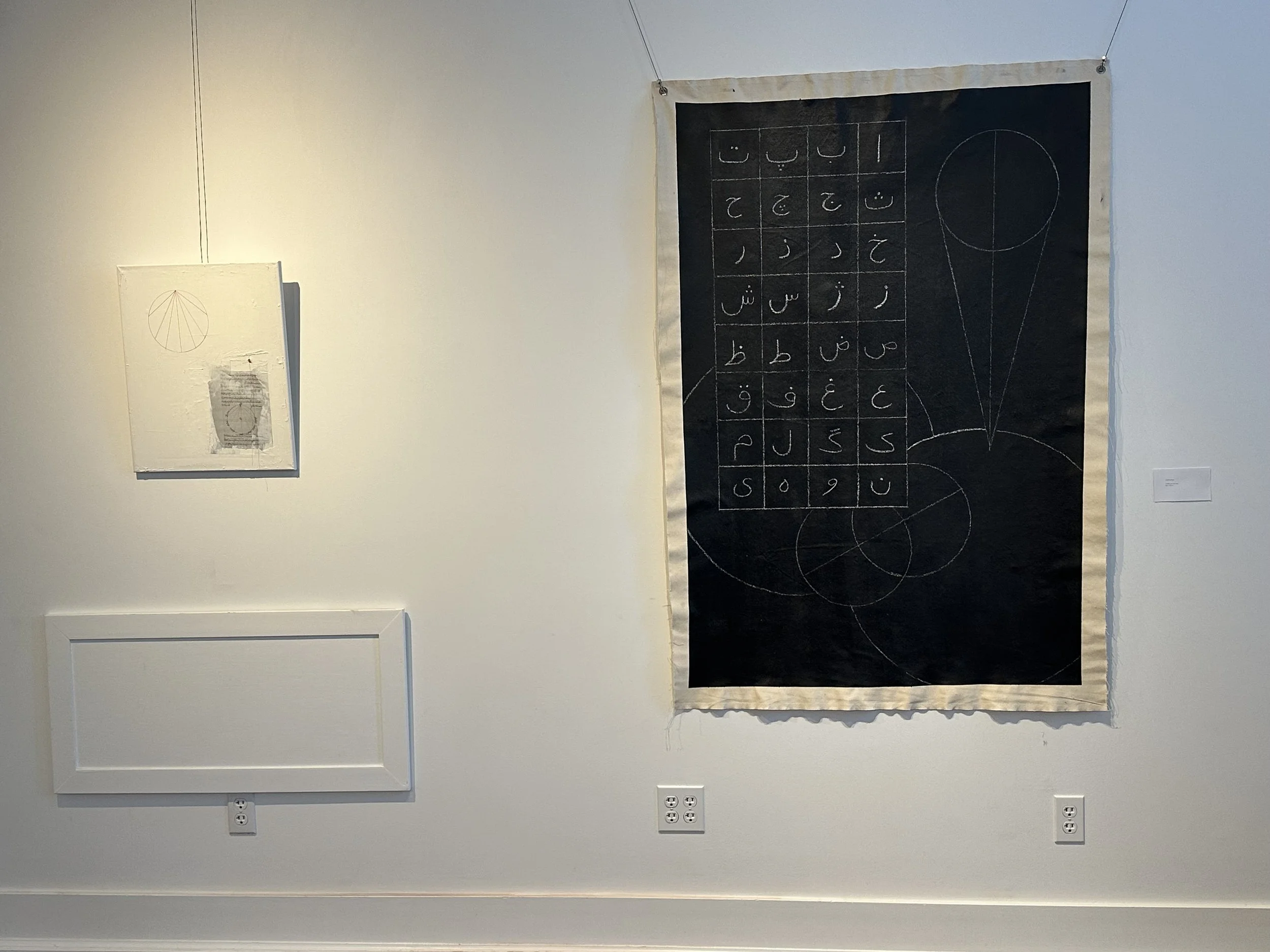
As far back as the 10th century, the Persians had invented the astrolabe, the name translating to ‘taker of the stars’ – an instrument used to make astronomical measurements for navigation. But British contributions to all things celestial navigation dominate our histories and often erase Middle Eastern contributions. As someone with both British and Persian ancestry I am interested in these layered cultural interconnections when it comes to navigation – attempting to learn the Farsi alphabet as a first step, while also exploring the foundations of spherical trigonometry: ‘the problem of the circle.’
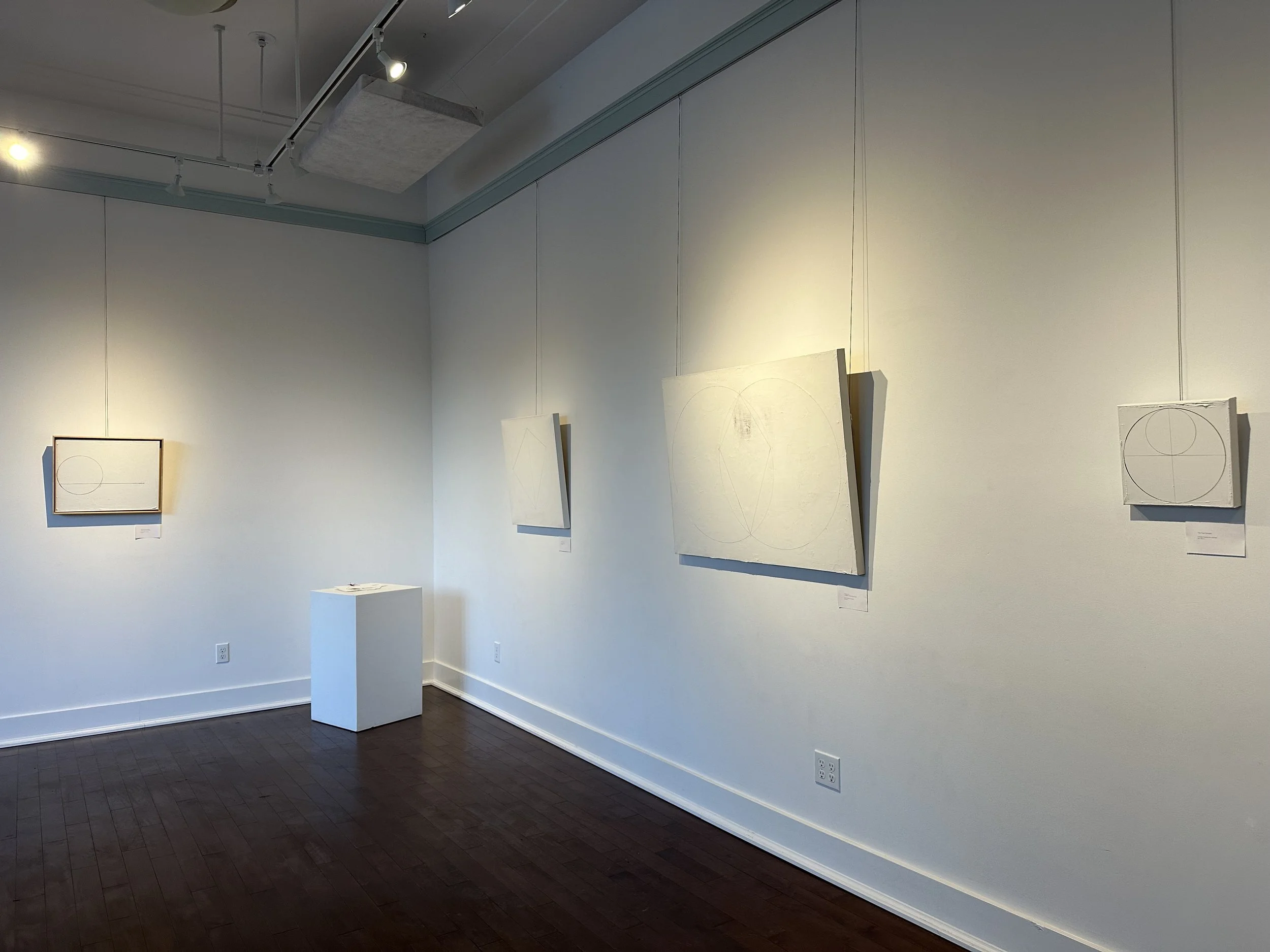
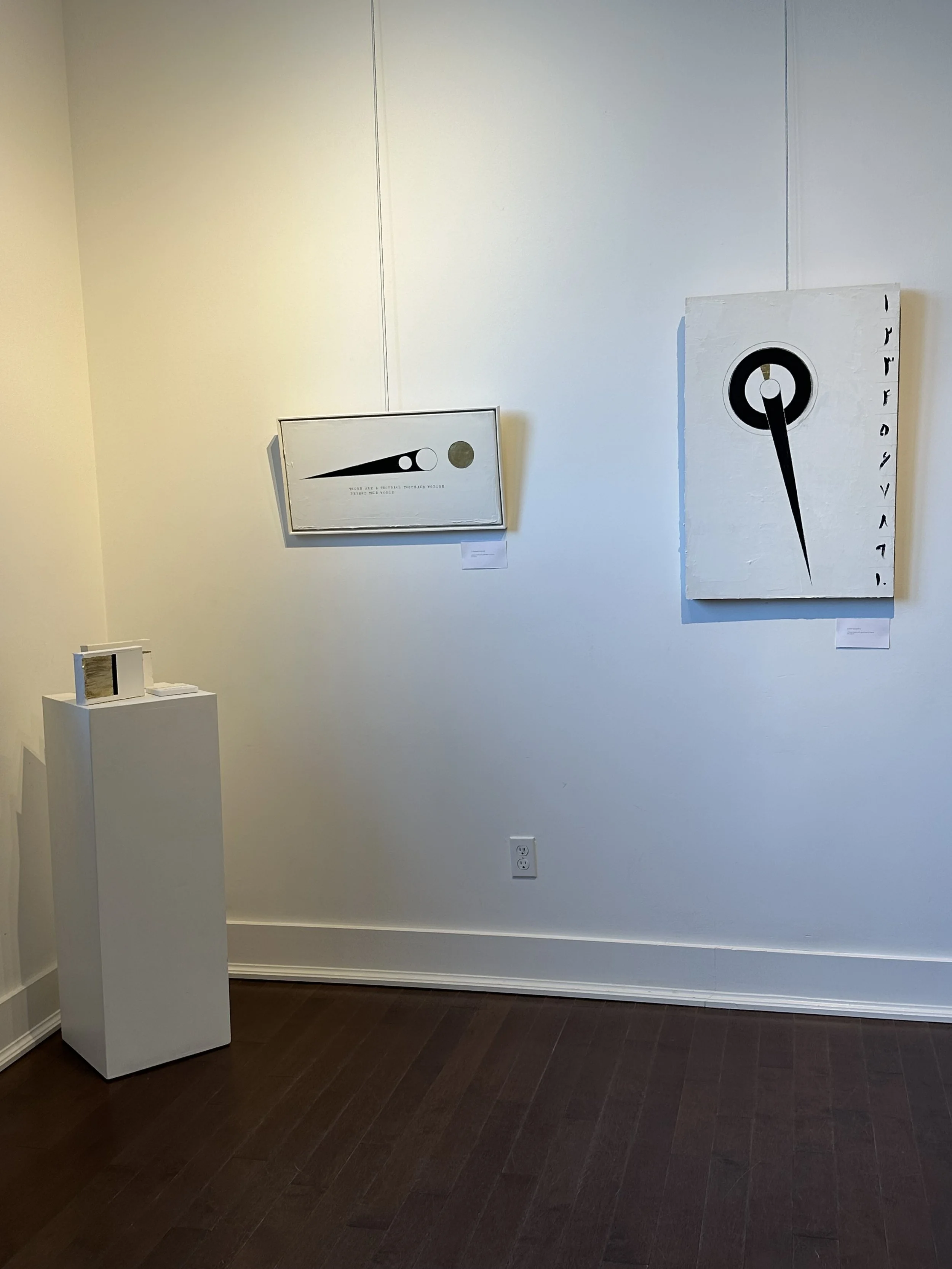
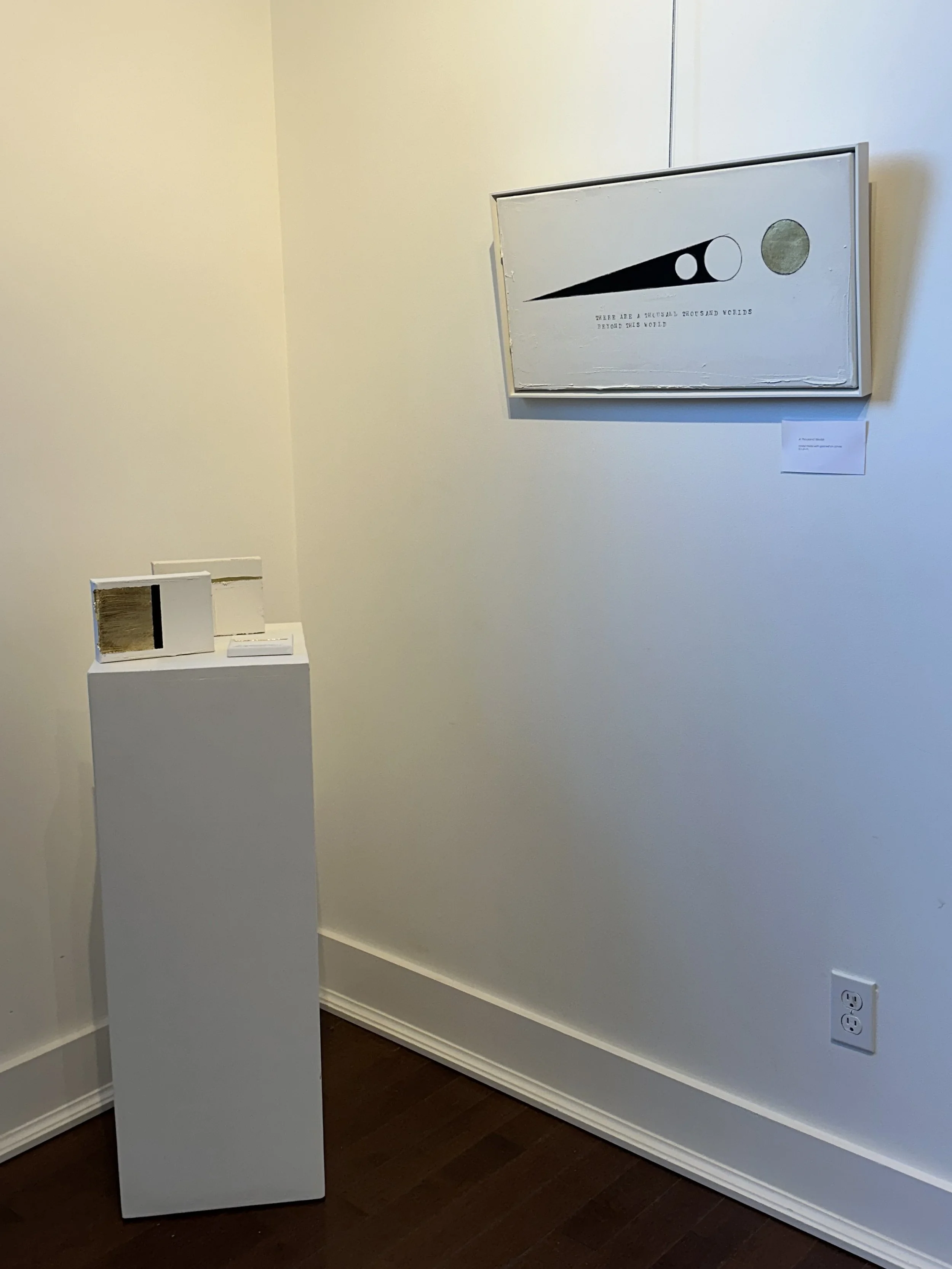
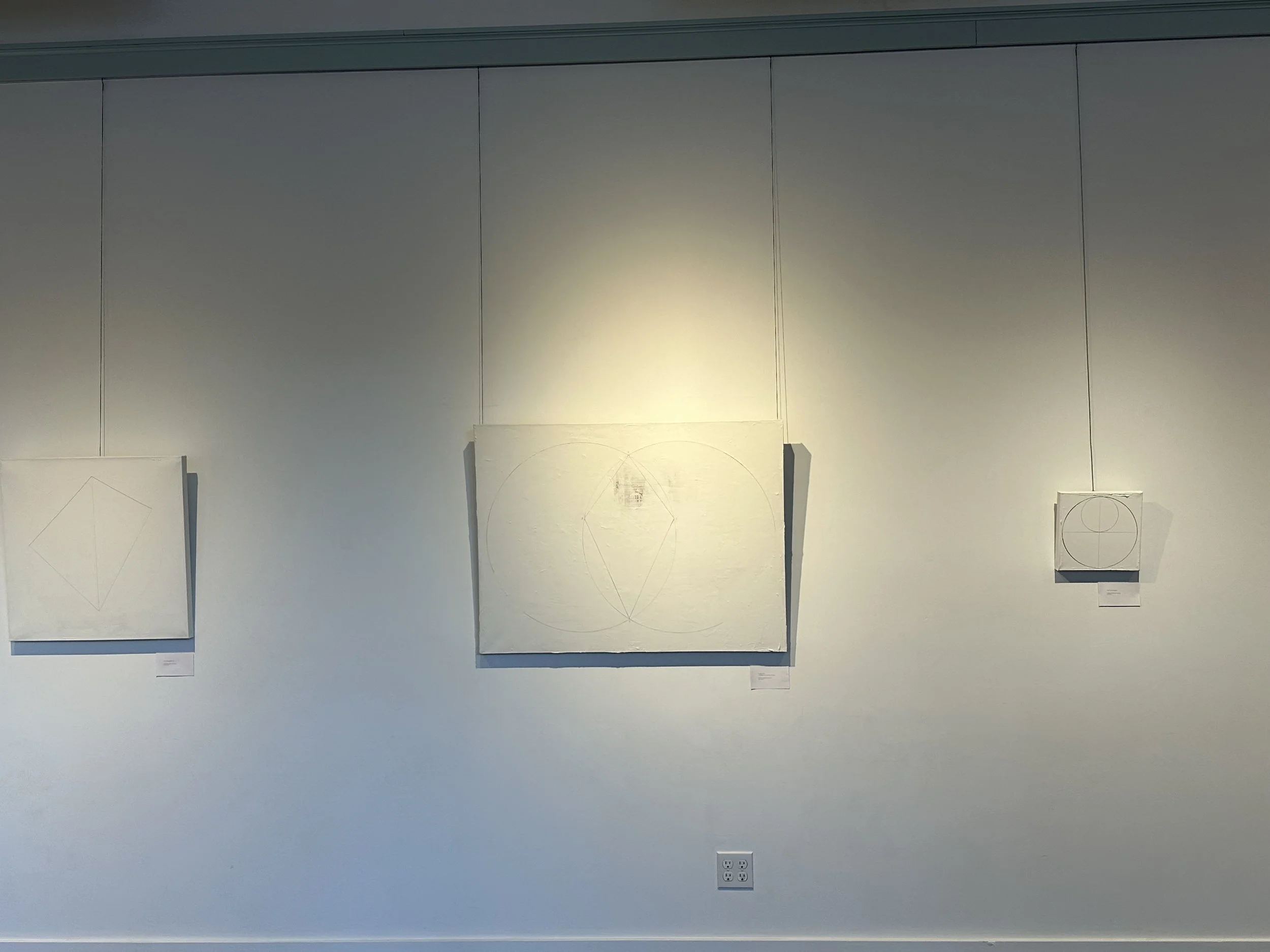
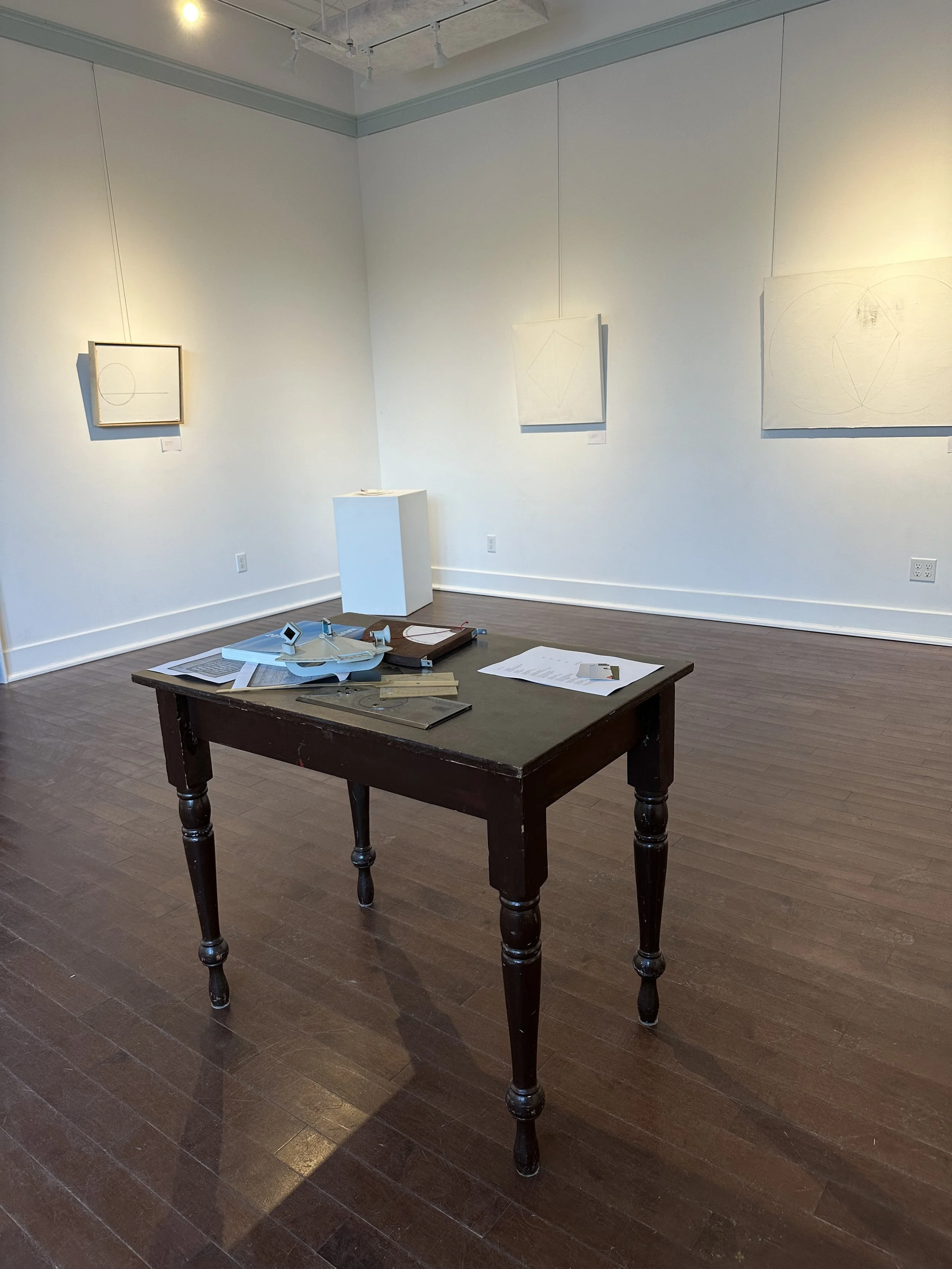
This small handful of works and studies represents these explorations over 6 weeks at the Kasahara Residency, where I was privileged to have time to research, think, learn and create. They will form the foundation of a larger solo show at The Old School House Arts Centre in Qualicum in 2026.